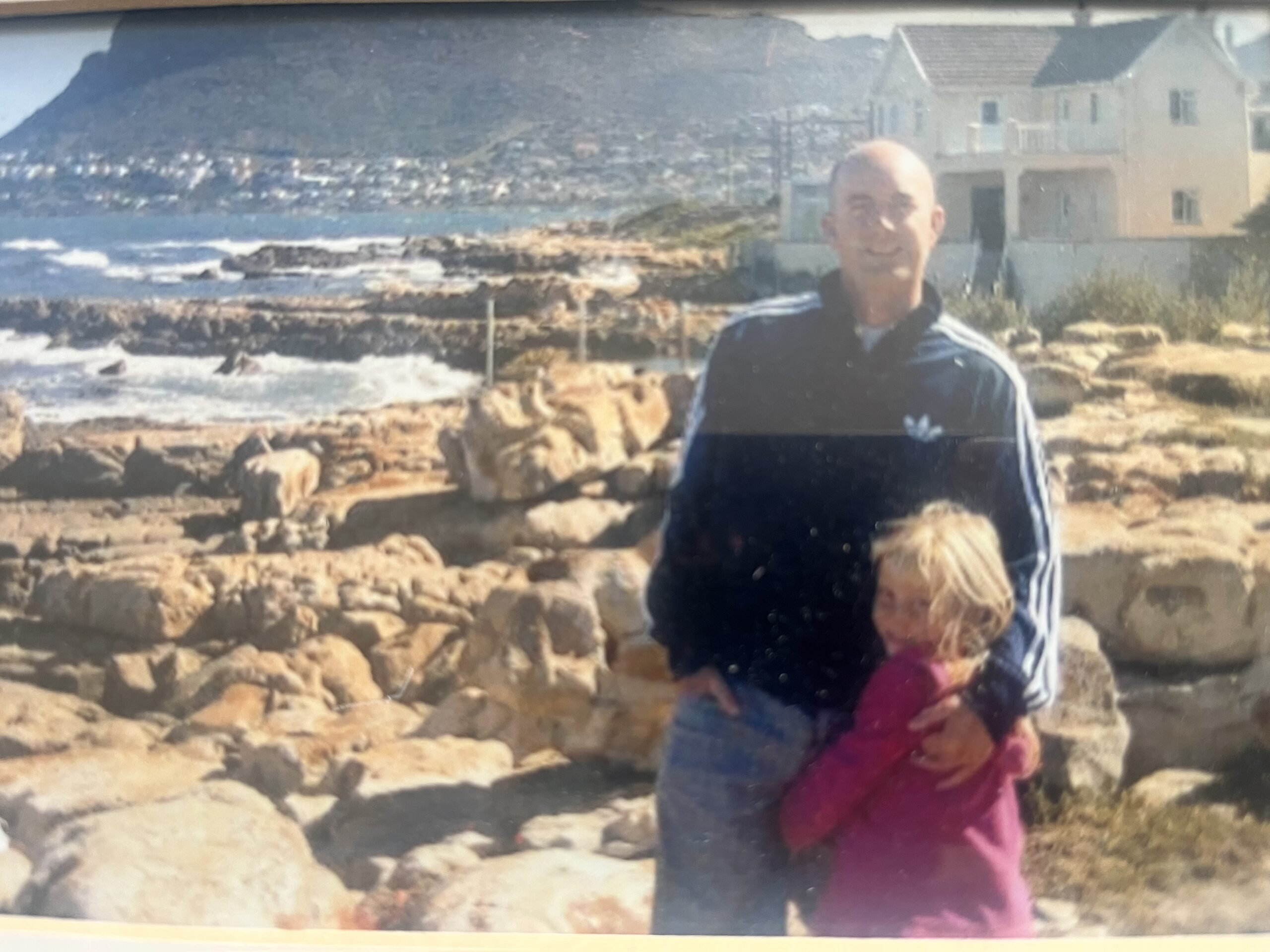
I lived in Kalk Bay harbour for years, in an old Victorian house by the sea. I have happy memories of living there, and it remains one of my favourite places in Cape Town. The harbour is worth visiting for its fishing boats, seals and history, but for me it is also somewhere I once called home.
Kalk Bay lies on the False Bay coast, between St James and Fish Hoek. Although the village attracts plenty of visitors, the harbour remains a working fishing port. People earn their living here, and fishing is central to the area’s identity. Boats coming and going, catches being unloaded and fish being sold are all part of harbour life.
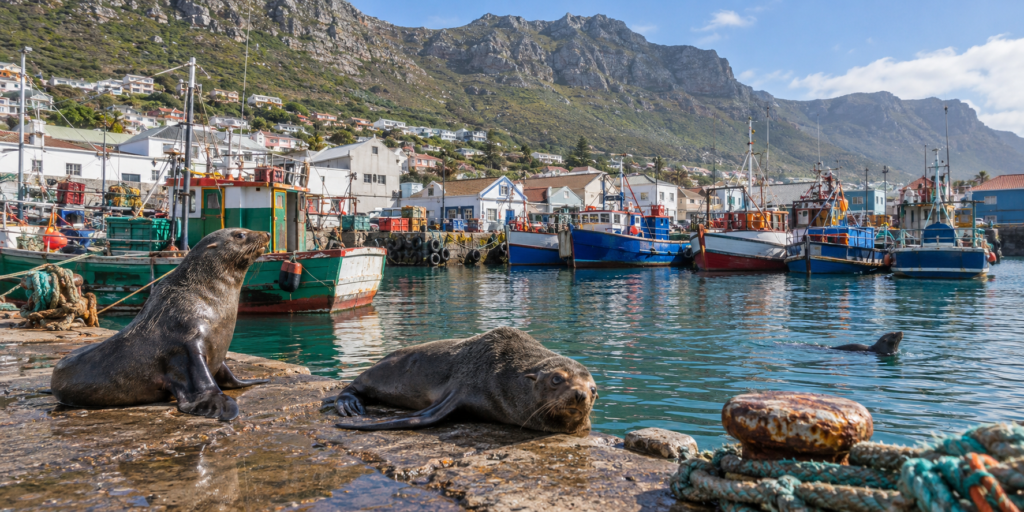
The colourful fishing boats are probably its most photographed feature. They sit close together at their moorings, with ropes, equipment and signs of regular use on their decks. They look good in photographs, but their purpose is practical. These are working vessels, and the harbour provides shelter between trips out into False Bay.
When the boats return with a catch, fish are brought ashore and sold at the harbour. Visitors can buy fresh fish directly from the quayside. It is one of the places where you can see the connection between the fishing boats and the food being sold, rather than only seeing the finished product in a shop or restaurant.
The Cape fur seals are another reason people stop here. They swim around the boats and rest beside the water, often attracting a crowd. Seeing one out of the water gives you a better idea of just how large these animals are. Watching them swim is equally interesting; they move easily through the gaps between moored boats. Their presence is a familiar part of the harbour.
Kalk Bay’s fishing history predates the harbour walls. Before there was a protected basin, fishermen had to bring their boats onto the shore. This involved heavy physical work, and bad weather could damage boats left exposed along the beach. Filipino fishermen became an important part of the community during the nineteenth century, helping establish the fishing traditions associated with the village.
The railway reached Kalk Bay in 1883. Harbour construction began in 1913, and the breakwater was completed in 1919. The north mole and a jetty followed in 1939, providing further protection and facilities for the fleet. The harbour developed over time in response to the needs of the fishing community.
That history helps explain what you see today. The boats, landing areas and harbour walls are there because generations of people have worked from this stretch of coast.
For me, a visit also brings back memories of the years I spent in that Victorian house. I enjoyed living beside the sea, with a working harbour on my doorstep. It is a place I know well and remember fondly. If you are travelling along the False Bay coast, Kalk Bay harbour is worth stopping at and taking some time to explore.