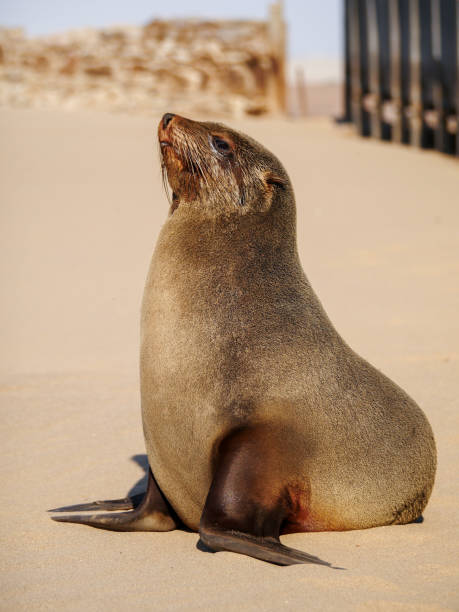
The Cape fur seal is one of the most recognisable marine mammals along southern Africa’s coastline. Its scientific name is Arctocephalus pusillus pusillus, and its breeding range stretches from southern Angola through Namibia to Algoa Bay in South Africa. Colonies occupy offshore islands, rocky shores and some mainland beaches, with animals travelling out to sea to feed.
Despite its name, the Cape fur seal belongs to the same family as sea lions: the eared seals. Small external ear flaps distinguish these animals from true seals. Their hind flippers can turn forwards beneath their bodies, allowing them to move on land using all four limbs. In the water, their powerful front flippers provide propulsion, while their streamlined bodies help them swim efficiently.
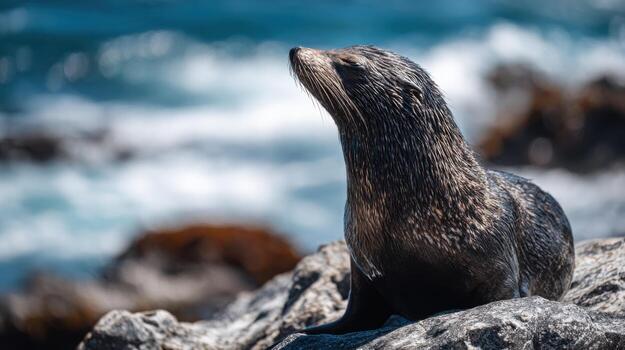
Adult males are considerably larger than females, developing broad shoulders and thick necks as they mature. Large males can exceed two metres in length and weigh more than 300 kilograms. Females have a slimmer build. Their coats vary from brown to grey, often appearing darker when wet. A dense layer of underfur helps insulate the body against cold seawater.
Cape fur seals eat fish, squid and crustaceans. Recorded prey includes sardines, anchovies, horse mackerel and hake, although the composition of their diet varies between locations and seasons. They are adaptable hunters rather than specialists dependent on a single species. Feeding takes place both near the coast and farther offshore, with seals diving below the surface to pursue their prey.
Breeding colonies become particularly active during the southern hemisphere spring and early summer. Adult males arrive to establish territories, competing through displays and physical confrontations. Females usually give birth to one pup during November or December. Newborn pups have dark coats and depend on their mothers’ milk during their early development.
After giving birth, females alternate between feeding trips at sea and periods ashore nursing their pups. Returning mothers must locate their young among many other seals. Calls and scent help them recognise one another within a crowded colony. Pups gradually develop their swimming abilities and begin catching food as they grow, while nursing continues for several months.
Cape fur seals are both predators and prey within the marine food web. Sharks and killer whales hunt them at sea. At mainland colonies, young pups can also fall prey to brown hyenas and black-backed jackals. Their relationship with fisheries is complex because they consume commercially valuable fish as well as other marine species.
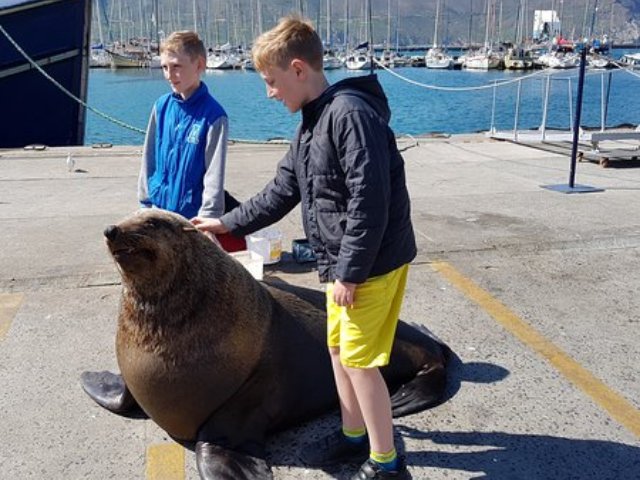
Around Cape Town, seals also use harbour structures as resting places. At the V&A Waterfront, dedicated platforms provide space for wild seals to rest and socialise. These animals come and go freely rather than living in captivity.
Human rubbish presents a serious hazard. Fishing line, rope and plastic packaging bands can become tightly wrapped around a seal’s neck or body, causing worsening injuries as the animal grows. The Two Oceans Aquarium Foundation’s Marine Wildlife Management Programme monitors seals at the Waterfront and removes entangling material, addressing a direct consequence of pollution in their coastal habitat.