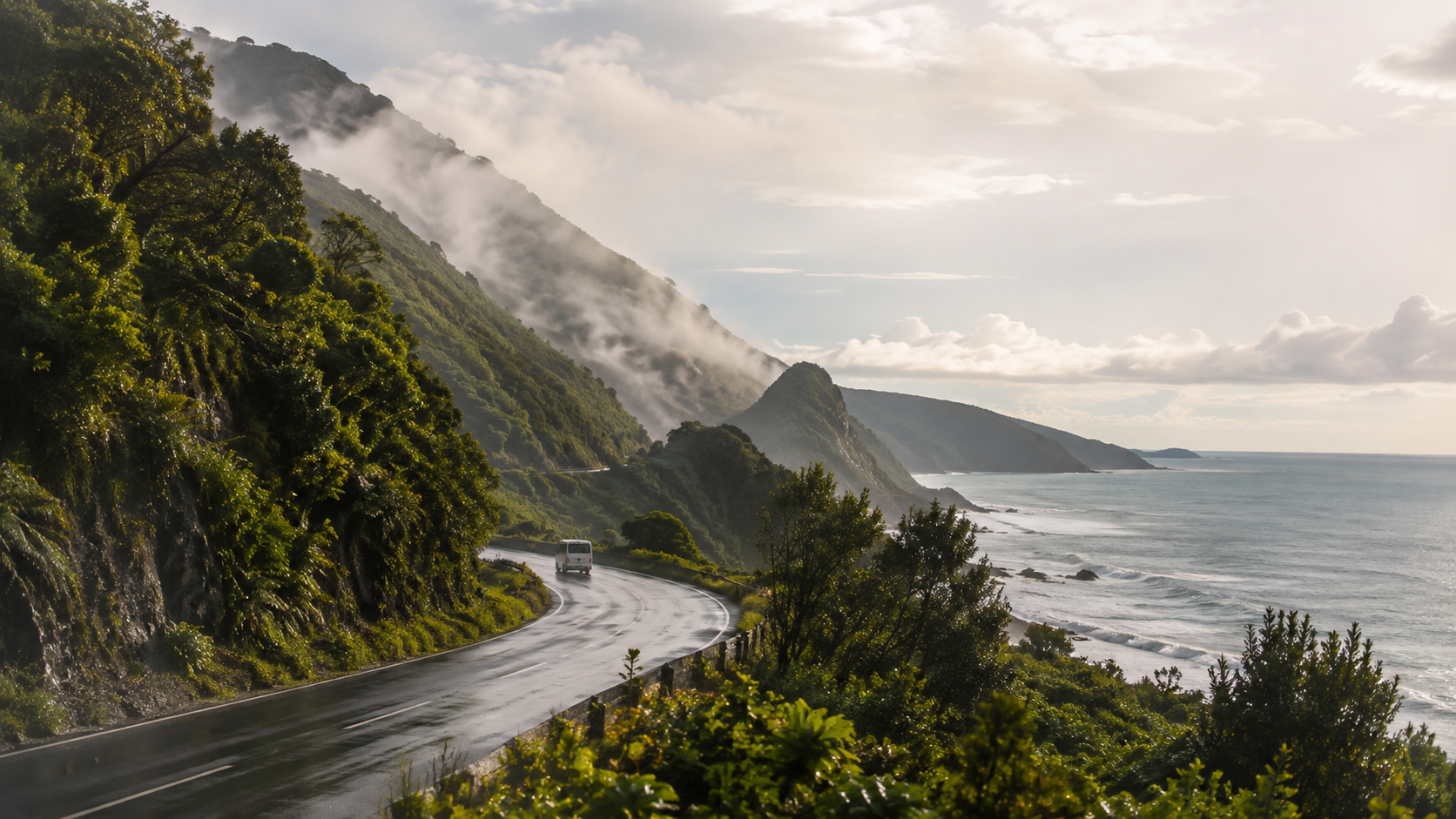
Rain is always possible on the Garden Route, regardless of the time of year. Unlike Cape Town, which receives most of its rain during winter, the Garden Route can experience rainfall throughout the year. Fortunately, a wet day does not mean that your tour is ruined.
This is where the flexibility of a private tour becomes particularly valuable. We are not tied to a large group, a rigid timetable or a fixed itinerary. If heavy rain is expected on the day we planned to visit Robberg Nature Reserve, for example, we may be able to move the walk to another day and visit Knysna, Wilderness or an indoor attraction instead. We can change days, rearrange activities and adjust departure times to make the best use of the weather.
Conditions can also vary considerably along the route. It may be raining in Knysna while Plettenberg Bay or Wilderness remains dry. Sometimes the rain is heavy but brief, leaving the rest of the day clear. We monitor the forecast and change the order of the itinerary when doing so will give our guests a better experience.
Light rain rarely prevents us from visiting the main attractions. The viewpoints at Knysna Heads, Wilderness and Plettenberg Bay can still be enjoyed, while the forests around Tsitsikamma often look particularly beautiful in wet weather. Rain deepens the colours, fills the streams and brings out the smell of the indigenous forest.
Heavy rain may affect activities such as walking at Robberg or taking the trail to the Storms River suspension bridges. Wet rocks, slippery paths and strong winds can make certain walks unsafe. We will never encourage guests to continue with an activity when the conditions are unsuitable. We can shorten the walk, choose an easier alternative or return on another day.
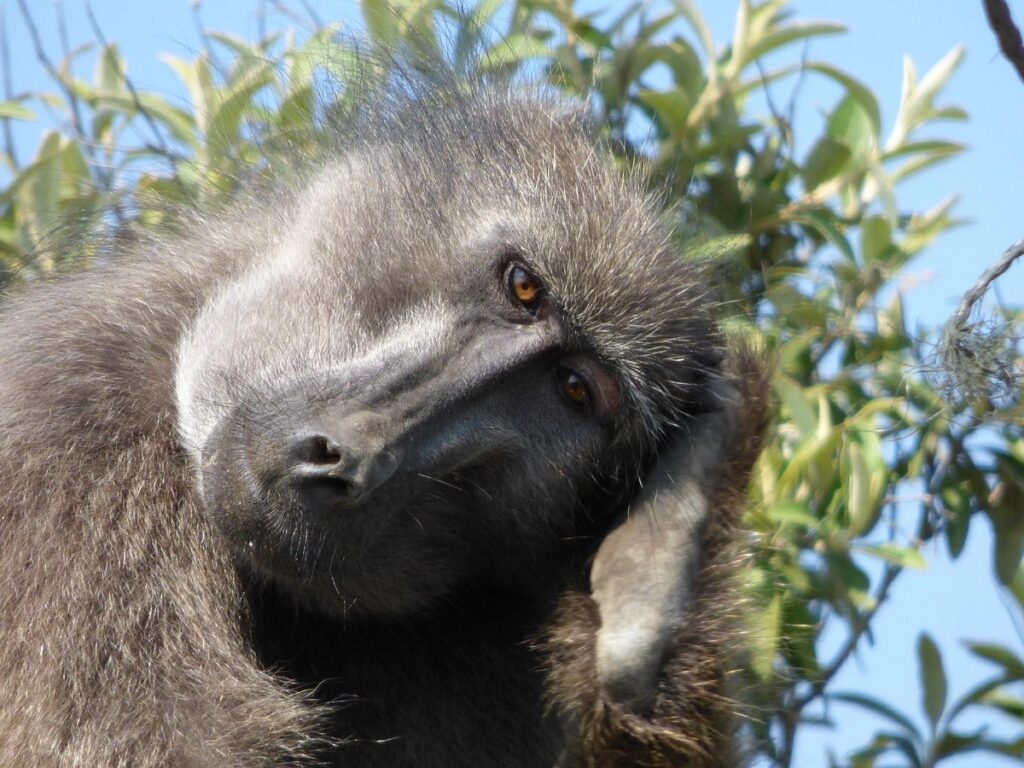
Rain can also be surprisingly good for a safari. It settles the dust, cools the air and refreshes the vegetation. Animals may be more active in cooler, overcast conditions than beneath harsh midday sunshine. The softer light can also be excellent for wildlife photography because it reduces heavy shadows and glare.
After rainfall, the landscape often looks greener and more dramatic. Animals may emerge to feed on fresh vegetation or drink from newly formed pools. The dry winter months can make wildlife easier to locate because vegetation is thinner and animals gather around established water sources, but a rainy safari has its own advantages and can be exceptionally rewarding.
There are also useful indoor options along the Garden Route. Knysna and Plettenberg Bay have restaurants, cafés, shops and local attractions where we can spend time while waiting for the weather to improve. A relaxed lunch or coffee stop can often bridge the wettest part of the day before we continue.
We recommend bringing a lightweight waterproof jacket at any time of year. Comfortable shoes with good grip are important, particularly if you plan to walk in forests or nature reserves. An umbrella can be useful in town, but a jacket is usually more practical in windy coastal conditions.
We cannot control the Garden Route weather, but we can control how we respond to it. The freedom to move activities between days is one of the real benefits of booking a private tour. Rain may change our plans, but with local knowledge and a flexible itinerary, it does not have to spoil the experience.