
The Garden Route is one of South Africa’s best-known touring regions, stretching along the southern coast between Mossel Bay and Storms River. It is famous for its forests, mountains, lagoons, beaches and diverse plant life, but where did the name “Garden Route” actually come from?
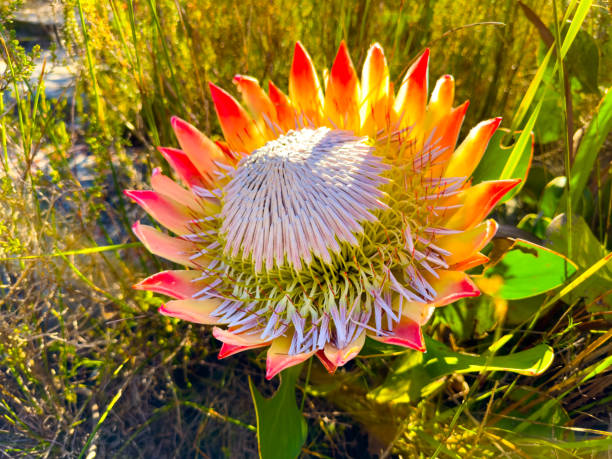
The name is generally associated with the area’s exceptionally varied vegetation and landscapes. Unlike much of South Africa, where large areas can appear relatively dry, the southern Cape has a combination of rainfall, fertile valleys, indigenous forests and coastal vegetation that creates a noticeably greener landscape.
The region’s natural environment is particularly diverse. The Garden Route sits between the Outeniqua and Tsitsikamma mountain ranges and the Indian Ocean, creating a series of different habitats within a relatively small area. Indigenous forests, fynbos, wetlands, rivers, estuaries and coastal vegetation all occur here.
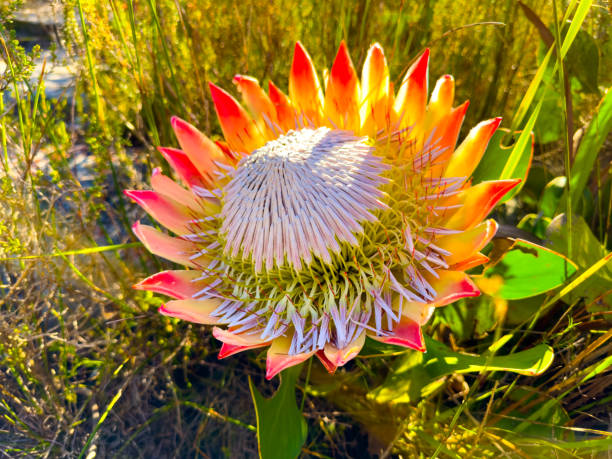
The indigenous forests are particularly important. Areas around Knysna, Wilderness and Tsitsikamma contain some of the largest remaining tracts of southern Cape forest. These forests have long been an important part of the region’s history, supporting wildlife and providing timber resources.
The development of transport links also played an important role in opening up the region. For many years, travelling along the southern Cape coast was difficult, with mountains, rivers and dense forests presenting significant obstacles. Roads and later major improvements to the coastal route made the area increasingly accessible to travellers.
As transport improved, tourism began to grow. Towns such as George, Wilderness, Knysna and Plettenberg Bay developed into popular destinations, each offering something different. Knysna became particularly well known for its lagoon and surrounding forests, while Plettenberg Bay attracted visitors with its beaches and coastline. Tsitsikamma became known for its dramatic scenery, indigenous forest and rugged coastline.
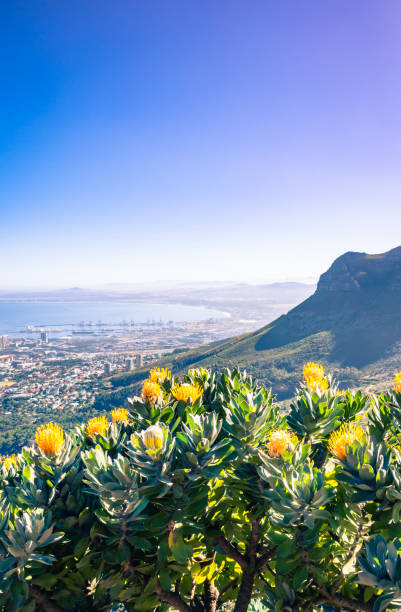
Today, the Garden Route is not a single geographical feature but a recognised tourism region made up of a collection of towns, landscapes and attractions along the southern Cape coast.
It is the combination of these different environments that makes the name so appropriate. Within a relatively short journey, visitors can experience mountains, indigenous forest, fynbos, beaches, lagoons, estuaries and open farmland.
At Convoy Tours, we love taking clients along the Garden Route because there is far more to the region than simply ticking off the major attractions. The history, landscapes and smaller places between the well-known stops are an important part of what makes travelling here so enjoyable.
And perhaps that is the real meaning behind the Garden Route. It isn’t simply one road or one destination. It is a remarkably varied part of South Africa where the landscape continually changes as you travel along the coast.






2 thoughts on “How the Garden Route Got Its Name”
Pingback: The Great White Shark - Convoy Tours
Pingback: Why I Love South African Petrol Stations on the Garden Route - Convoy Tours